 |
Tansy |
|
|
Tansy
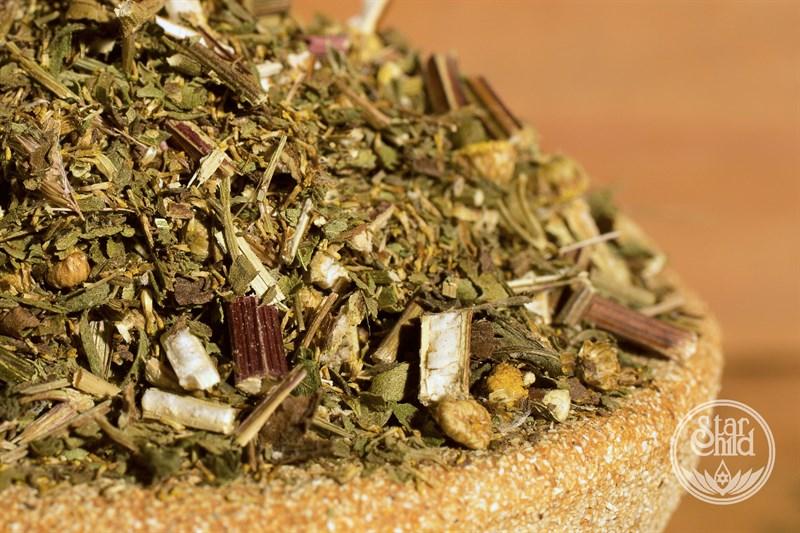
TANSY (Tanacetum vulgare)
History and Folklore Tansy is a well familiar typical herb of the cottage garden. Its feathery foliage and yellow buttons are very attractive. In the past it was considered dispensable, not just for medicinal purposes, but also as a strewing herb and to help preserve meat, since it has powerful preservative properties. Thus, meat was often packed in Tansy leaves and bunches of the herb were hung in kitchens to ward off flies. The ancients did not mention Tansy as a healing herb, but it became popular in medieval times. The famous Abbess Hildegard of Bingen mentions it as a remedy for catarrh and cough. Although we don't know for sure, it is likely that this herb was originally sacred to the Goddess. However, in medieval times it became dedicated to Mary and from then on it was blessed in the parish churches on Ascension Day (15th August) as one of the sacred herbs of the '9-herb bundles'. This is slightly ironic, considering its particular feminine applications. It was also associated with the time of lent and it was often included in special lent dishes, such as omelettes, or used as a spring blood cleansing tonic. The pilgrims took Tansy with them to America where the governor of Massachusetts deemed it so important an herb that he ordered everybody to grow it. It did not take long for Tansy to escape the sheltered gardens and make its own way across the vast expanse of the United States, steadily colonizing almost every state. Today it is considered a troublesome weed. Despite its toxic potential it rarely causes any harm to cattle or people - its inhibitive bitterness prevents excessive use. Still, it should be mentioned that large doses of this herb are poisonous.
Medicinal Uses: In the past Tansy was used for a wide variety of conditions from coughs and colds to fever and jaundice. Most famously it was used as a vermifuge and insect repellent. Women used the herb to bring on delayed menstruation. Externally the herb was sometimes applied as a compress for varicose veins, bruises, sties and swellings. However, these days it is almost never used medicinally due to its toxicity - Tansy contains thujone. Even external use is not really recommended as thujone may be absorbed through the skin.
CAUTION Internal or external medicinal use not recommended. Some sensitive individuals may develop contact dermatitis. Avoid during pregnancy.
Magical Uses: Tansy was used to ward off evil and disease. It could be hung above stable doors to protect the animals against evil spells and illness. Planted around the house it drives away thunder and lightening. Incense made from this herb was used to smudge children for protection and cleansing. It was also used as a funerary herb. The corpse was bedded on Tansy flowers of immortality.
BOTANICALS: Plants nourish and feed us, add spice to our life, bestow health and beauty, scent and colour and brighten our days. They mediate love, hope and gratitude; they clothe and cleanse us, they heal and soothe our bodies, minds and souls. They touch every aspect of our existence, from our daily sustenance to the air we breathe, to the keys to other dimensions. They are the alchemists that turn sunlight into the green force of life, continuously revolving, restoring, rebirthing through the cycles of time. They truly are the greatest gift of nature, yet also the one we most take for granted. Star Child's range of botanicals derives from many regions and traditions of the world. We supply only the best quality herbs, using organically grown and sustainably harvested sources if available. The greater the demand for organic products the more readily they will become available. Your choice to buy and our commitment to supply organic herbs is part of the driving force that sows the seeds for a greener, healthier future.
USE: There are dozens of ways in which herbs can be used. Many culinary herbs not only impart a great flavour but also have subtle effect on the digestive process. Other herbs are more medicinal than culinary and can be used as remedies, based on the wisdom of age old traditional plant knowledge. For more detailed information on the different types of preparations that can be made with herbs, please refer to the BOTANICALS USAGE section.
CAUTION We support the notion of taking responsibility for one's own well being and thus strive to make all herbs available for use at your own discretion. It should be noted however, that not all herbs are safe to use in all circumstances. Special cautions may apply when suffering from certain medical conditions, when taking synthetic prescription drugs and during pregnancy. Research and familiarize yourself with any herb you intend to use and make sure you are aware of all special cautions that may apply. The information given here is based on thousands of years of traditional use. It is intended for educational purposes only and is not intended to replace a visit to a medical professional where this is necessary. If symptoms persist or re-occur, or if you are suffering from a serious medical condition, or if you are presently taking prescription drugs, we recommend that you consult a qualified doctor or practitioner before attempting to help yourself. Look for a practitioner/doctor who you can trust and who is prepared to explore natural health alternatives with you. Pregnancy is a very special time. If chosen wisely herbs can give tremendous support throughout the entire process. However, due to the vulnerability and sensitivity of the unborn child it is especially important to make sure that the herbs you are using are safe. (This also applies during the time of breast-feeding as all substances ingested by the mother are processed and passed on with the mother's milk). Many herbs may be useful during the latter stages of pregnancy or during labour, but could be dangerous during the first few months. Inform yourself - don't risk regret.
<< Back to products
|