+44 (0)1458 834 777
+44 (0)1458 834 663
Email:
Password:

» I forgot my password!
» Register now!

spacer
Henna Red Organic

Henna Red Organic


Henna Red Organic


HENNA, RED - Organic
Lawsonia inermis

History and Folklore
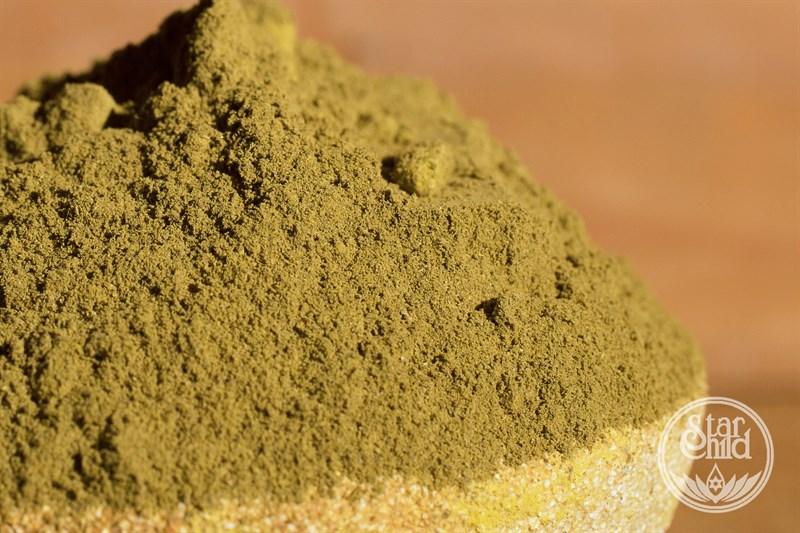
The green powder, commonly known as 'Henna' and used as a natural dye for hair derives from the leaves of a small tree or large bush that belongs to the Myrtle family. It is at home in the dry regions of northern Africa and India, where it is widely cultivated, mostly for cosmetic use. The red colour results by means of a fermentation process that is activated when the powdered leaves are mixed with water and left in a hot, moist environment. The different shades of colour are derived by admixture of other substances, such as tea or other dye plants. Natural Henna never dyes black. All black Henna products, as well as most commercially available Henna powders contain chemical additives to ensure an even pigmentation. In recent years Henna tattoos, a traditional body decoration usually applied ceremonially at major rites of passage, such as birth, marriage, circumcision and funerary rites, have become popular in the West. However, so called black Henna has been indicated to produce very intense allergic reactions that are due to the chemical additives mixed in to produce the artificial black dye. Red Henna, which has been traditionally used for this purpose does not result in allergic reactions, on the contrary it has some beneficial effects on the skin. In India, Pakistan and Northern Africa Henna is not only used cosmetically but also for medicinal purposes. The white flowers produce a delightful fragrance and have been distilled to produce an essential oil and flower water which are used in perfumery. It is often planted as a hedge plant since its spiny thorns deter animals and intruders.
To dye hair red with natural Henna, mix the powder with hot water until it has the consistency of creamy spinach. Apply thoroughly to the hair, taking care not to rub it into the skin below the hairline, as it will dye the skin as well. Wear plastic gloves to protect your hands as well. Natural red Henna is beneficial for the hair, adding lustre and volume. The colour wears off over a period of time.

Medicinal Uses:
Henna has antibacterial and anti-fungal properties, which have been used medicinally to treat athlete's foot and other skin diseases, boils, burns, bruises and inflammatory conditions of the skin as well as chickenpox, small pox and leprosy. The medicinal use of Henna is widespread in Ayurveda, Unani and traditional folk medicine of India, Pakistan and Northern Africa, where seeds and roots as well as the leaves are used internally for various conditions, from diarrhoea, to enlarged spleen or as a contraceptive.

CAUTION
While this herb is perfectly safe as a natural dye, medicinal use is not advised for this herb.

Magical Uses:
The red dye of Henna traditionally represents the colour of life and is thus associated with all rites of passage: birth, circumcision, marriage and death. It is considered protective against evil influences, malevolent spirits and the evil eye. Henna has also traditionally been associated with love and sexuality, its fragrant flowers adding a seductive perfume to its protective shade.

BOTANICALS:
Plants nourish and feed us, add spice to our life, bestow health and beauty, scent and colour and brighten our days. They mediate love, hope and gratitude; they clothe and cleanse us, they heal and soothe our bodies, minds and souls. They touch every aspect of our existence, from our daily sustenance to the air we breathe, to the keys to other dimensions. They are the alchemists that turn sunlight into the green force of life, continuously revolving, restoring, rebirthing through the cycles of time. They truly are the greatest gift of nature, yet also the one we most take for granted.
Star Child's range of botanicals derives from many regions and traditions of the world. We supply only the best quality herbs, using organically grown and sustainably harvested sources if available. The greater the demand for organic products the more readily they will become available. Your choice to buy and our commitment to supply organic herbs is part of the driving force that sows the seeds for a greener, healthier future.

USE:
There are dozens of ways in which herbs can be used. Many culinary herbs not only impart a great flavour but also have subtle effect on the digestive process. Other herbs are more medicinal than culinary and can be used as remedies, based on the wisdom of age old traditional plant knowledge. For more detailed information on the different types of preparations that can be made with herbs, please refer to the BOTANICALS USAGE section.

CAUTION
We support the notion of taking responsibility for one's own well being and thus strive to make all herbs available for use at your own discretion. It should be noted however, that not all herbs are safe to use in all circumstances. Special cautions may apply when suffering from certain medical conditions, when taking synthetic prescription drugs and during pregnancy. Research and familiarize yourself with any herb you intend to use and make sure you are aware of all special cautions that may apply. The information given here is based on thousands of years of traditional use. It is intended for educational purposes only and is not intended to replace a visit to a medical professional where this is necessary.
If symptoms persist or re-occur, or if you are suffering from a serious medical condition, or if you are presently taking prescription drugs, we recommend that you consult a qualified doctor or practitioner before attempting to help yourself. Look for a practitioner/doctor who you can trust and who is prepared to explore natural health alternatives with you.

Pregnancy is a very special time. If chosen wisely herbs can give tremendous support throughout the entire process. However, due to the vulnerability and sensitivity of the unborn child it is especially important to make sure that the herbs you are using are safe. (This also applies during the time of breast-feeding as all substances ingested by the mother are processed and passed on with the mother's milk). Many herbs may be useful during the latter stages of pregnancy or during labour, but could be dangerous during the first few months. Inform yourself - don't risk regret.

<< Back to products


Links | Shipping Rates | Contact Us | About Us | Privacy Policy | Term and Conditions | Site Map |